Capital Region of New York · Scotia, NY
Scotia Home Remodeling & Renovation.
Remodeling for Scotia, NY homeowners — a walkable Mohawk River village of bungalows, Cape Cods, and early-20th-century homes on tight, character-filled lots.
Services in Scotia
Every HomeNest service is available in Scotia.
Kitchen, bath, basement, and whole-home work — plus room additions and custom-home building. One team, one warranty, one point of contact.
Kitchen Remodeling
Full kitchen rebuilds with custom cabinetry, stone counters, and premium finishes.
Learn more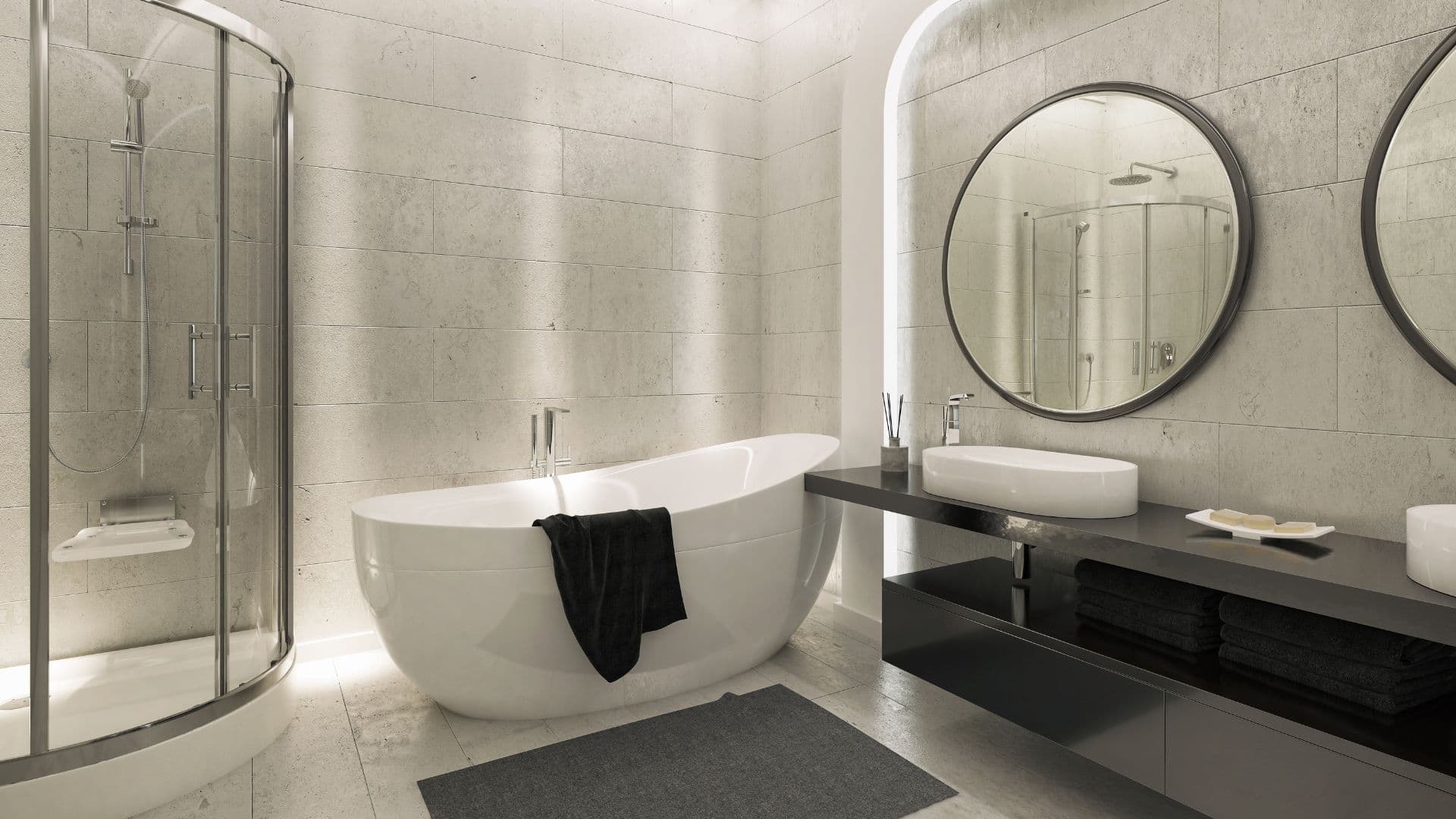
Bathroom Remodeling
Tub-to-shower conversions, double vanities, heated floors, and full tile work.
Learn more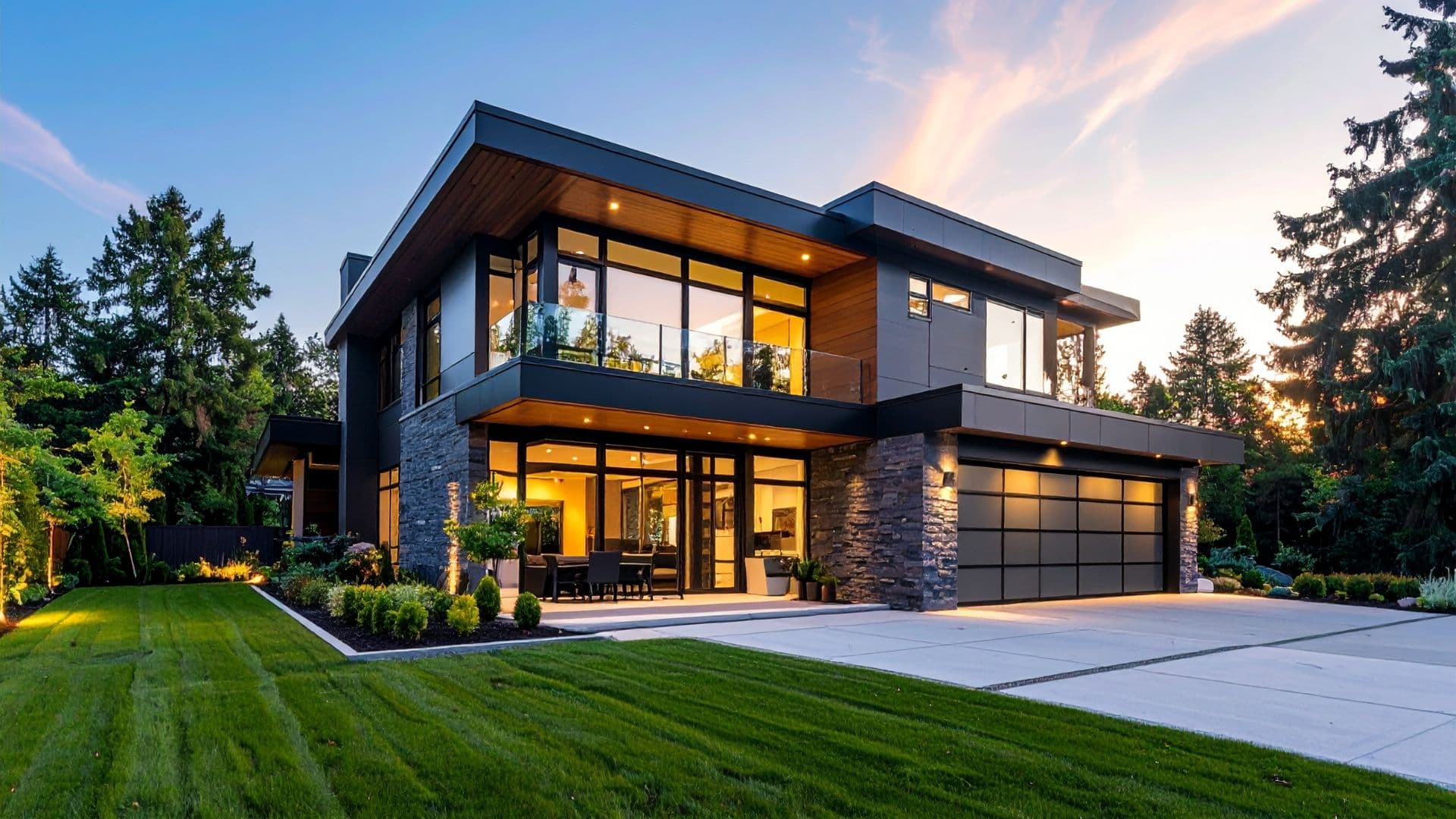
Home Remodeling
Whole-home remodels with open layouts and coordinated design across every room.
Learn more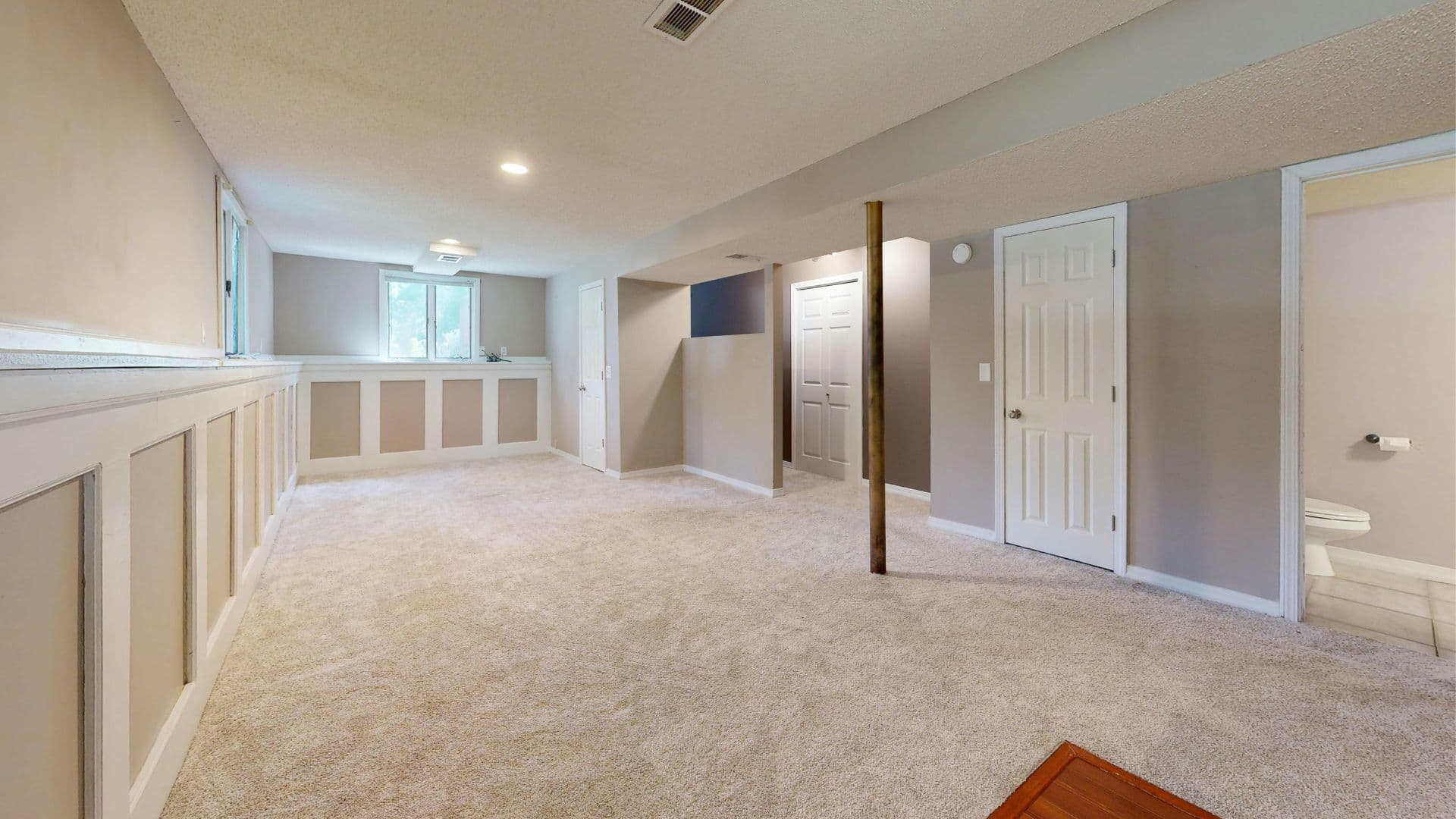
Basement Remodeling
Family rooms, in-law suites, home theaters — with moisture-first process.
Learn more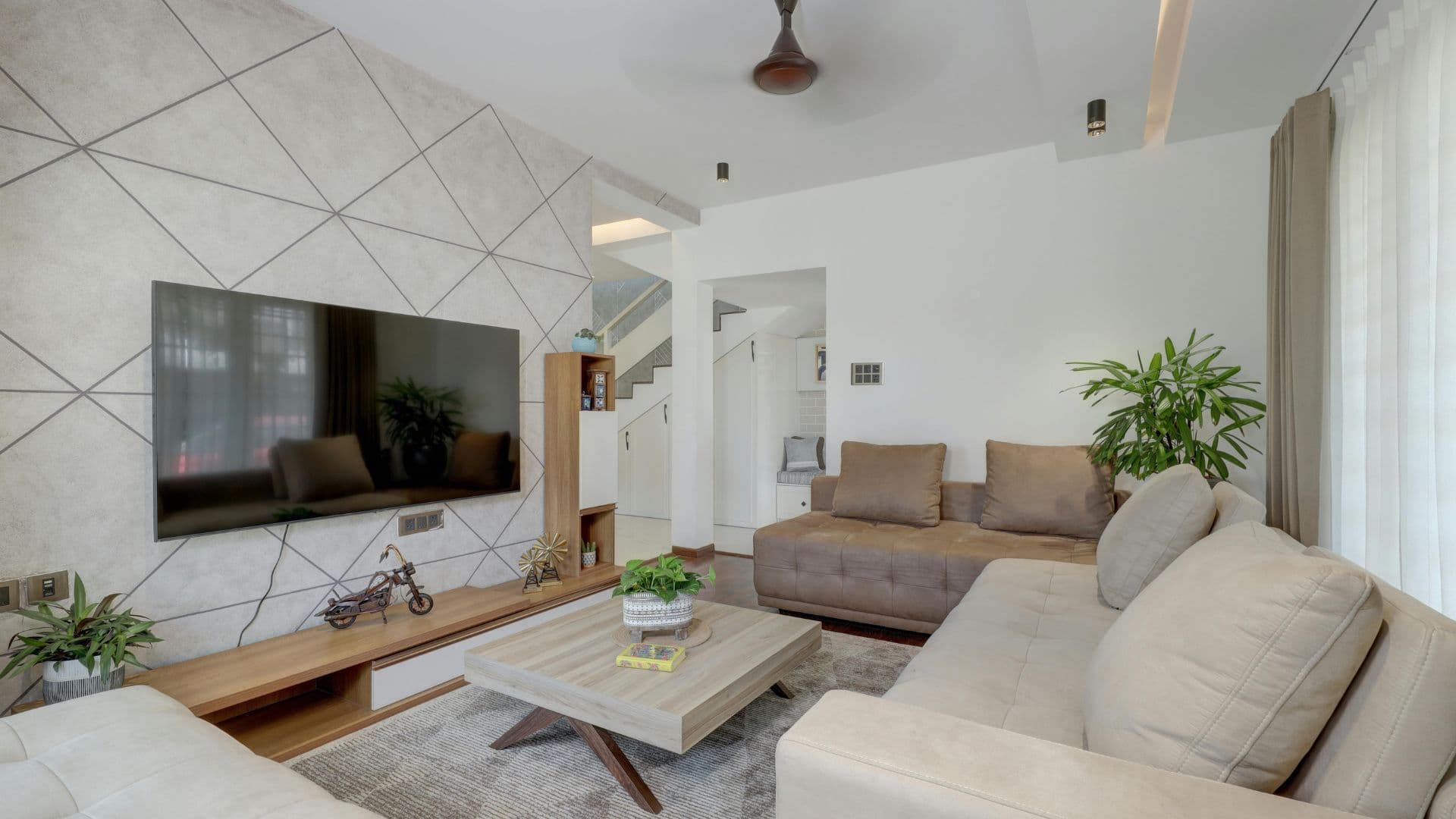
Home Additions
Room additions, second-story builds, and bump-outs matched to the original house.
Learn more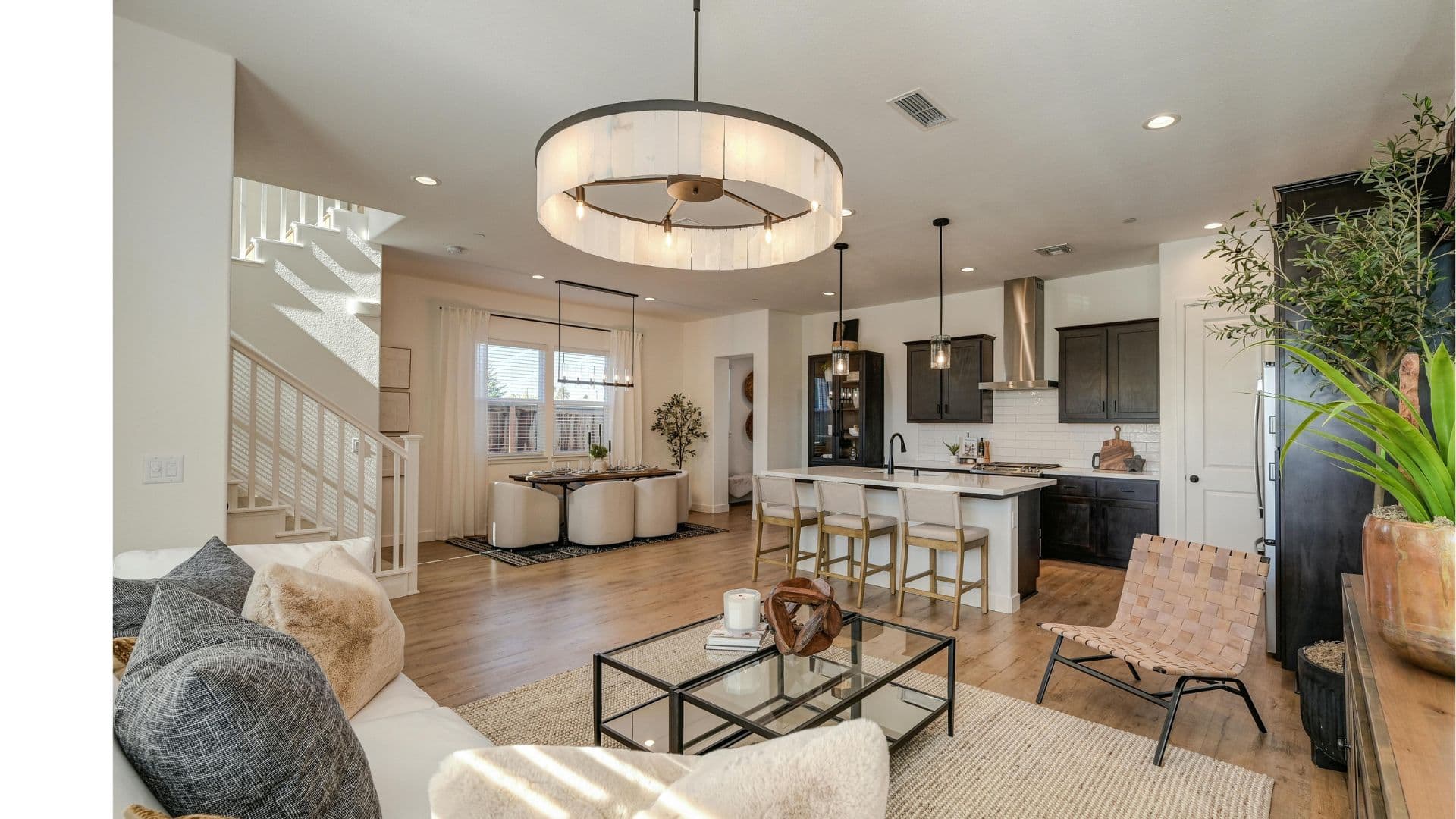
Custom Home Builder
Ground-up custom homes designed and built for your lot and your long-term plans.
Learn more
Neighborhoods We Serve
Working across every part of Scotia.
Each Scotia neighborhood has its own housing character. We adjust scope and approach for each one.
- Mohawk Avenue / Village Center
- Collins Park
- Sunnyside
- Sacandaga Road area
- Washington Avenue
- Glenville border
Remodeling in Scotia
Scotia is a place we know well.
Scotia is a compact, walkable village on the north bank of the Mohawk River, sitting directly across the water from the city of Schenectady and tucked inside the town of Glenville in Schenectady County. Mohawk Avenue — Route 5 — runs the length of the village as its main spine, carrying traffic from the Western Gateway Bridge out toward Glenville and the suburbs beyond, and it is lined with the small storefronts and the genuine Main Street feel that give Scotia its identity. Freemans Bridge Road and Sunnyside Road feed the residential pockets on either side, while Collins Park with its namesake Collins Lake gives the village a real waterfront green space that anchors the whole community and keeps these neighborhoods desirable decade after decade. For remodeling, Scotia's defining trait is its age. Most of the housing went up in the first half of the twentieth century, which means the homes are full of character, built with real craftsmanship and solid framing, and old enough that wiring, plumbing, insulation, and finishes have all reached the point of needing serious attention. Scotia homeowners tend to be people who love the village's walkability and its history and want to modernize the inside of the house without erasing what makes it feel like Scotia. They are staying put and investing rather than trading up, and they care that the work is done by people who understand old houses. That is exactly the kind of careful, older-home work our in-house crew is built around, and it is why so much of our Schenectady-County workload runs through this village.
The Scotia housing stock
Walk the streets off Mohawk Avenue near the village center and you see Scotia's housing story laid out clearly: early-twentieth-century Foursquares and Victorians, a heavy concentration of 1920s-through-1940s bungalows and Cape Cods, and a scattering of post-war colonials toward the village edges. The neighborhoods around Collins Park, the Sunnyside area, and the streets running toward the Sacandaga Road corridor are densely built on narrow village lots — detached homes set close together with shallow front setbacks, modest single-width driveways, and front porches that face the sidewalk rather than a wide suburban lawn. As you move north toward the Glenville border and out along Washington Avenue, the lots open up a little and you find more 1950s-and-later infill mixed in among the older stock. The consistency here is in the era, not the floor plan. Nearly every original Scotia home shares the same DNA: plaster-and-lath walls, real wood trim and original double-hung windows worth preserving, compartmentalized rooms with doorways instead of open sightlines, narrow staircases, and a footprint that was sized for a different way of living. Ceiling heights are generous in the Foursquares and tighter in the bungalows, and almost none of these houses were built with the kind of kitchen or bathroom a modern family expects. That consistency is an advantage when we estimate: once we have walked a Scotia house, we know with real confidence what is almost certainly behind the walls before we ever open them, and we can put a number on the project that holds up.
Common Scotia projects
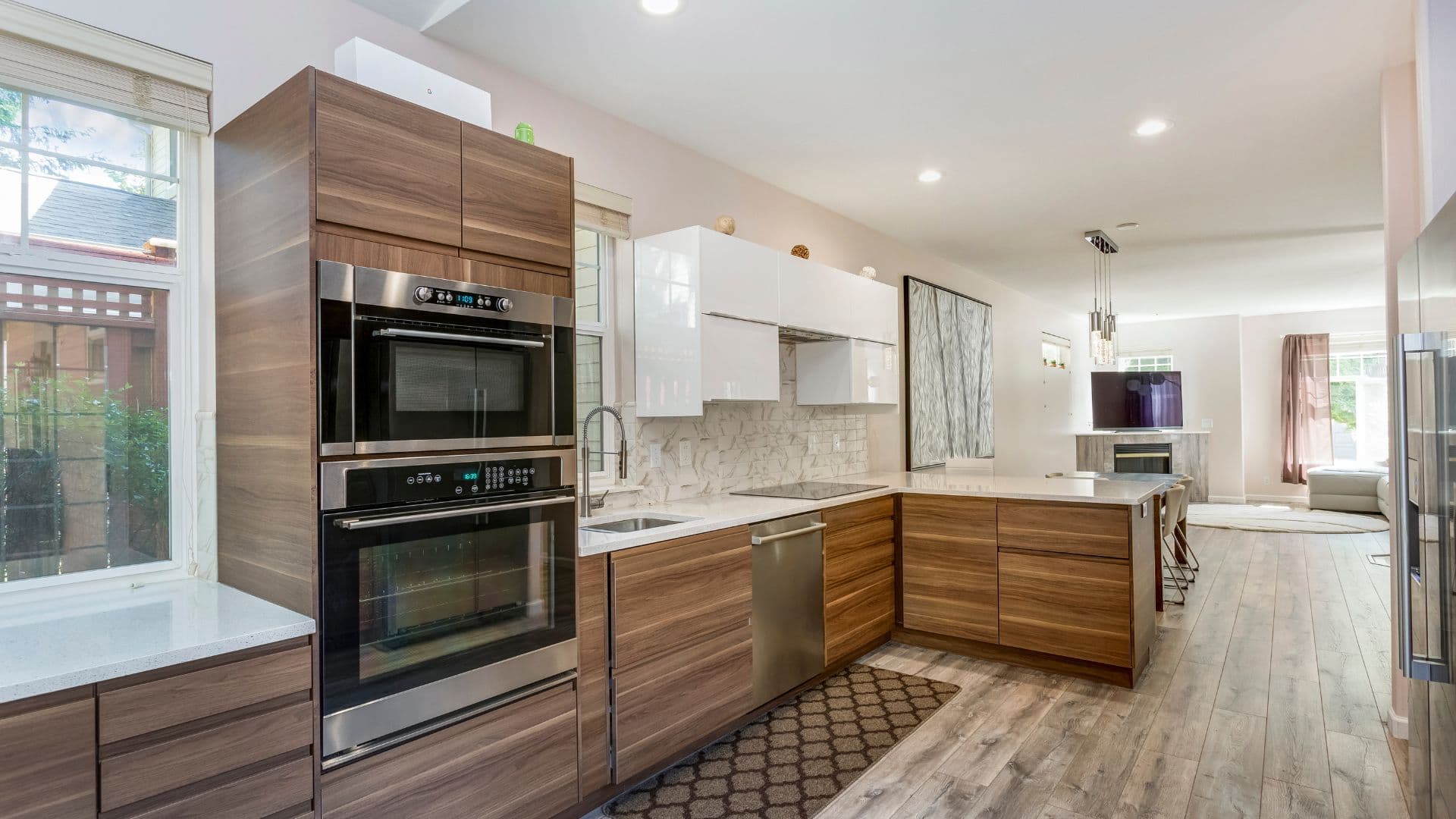
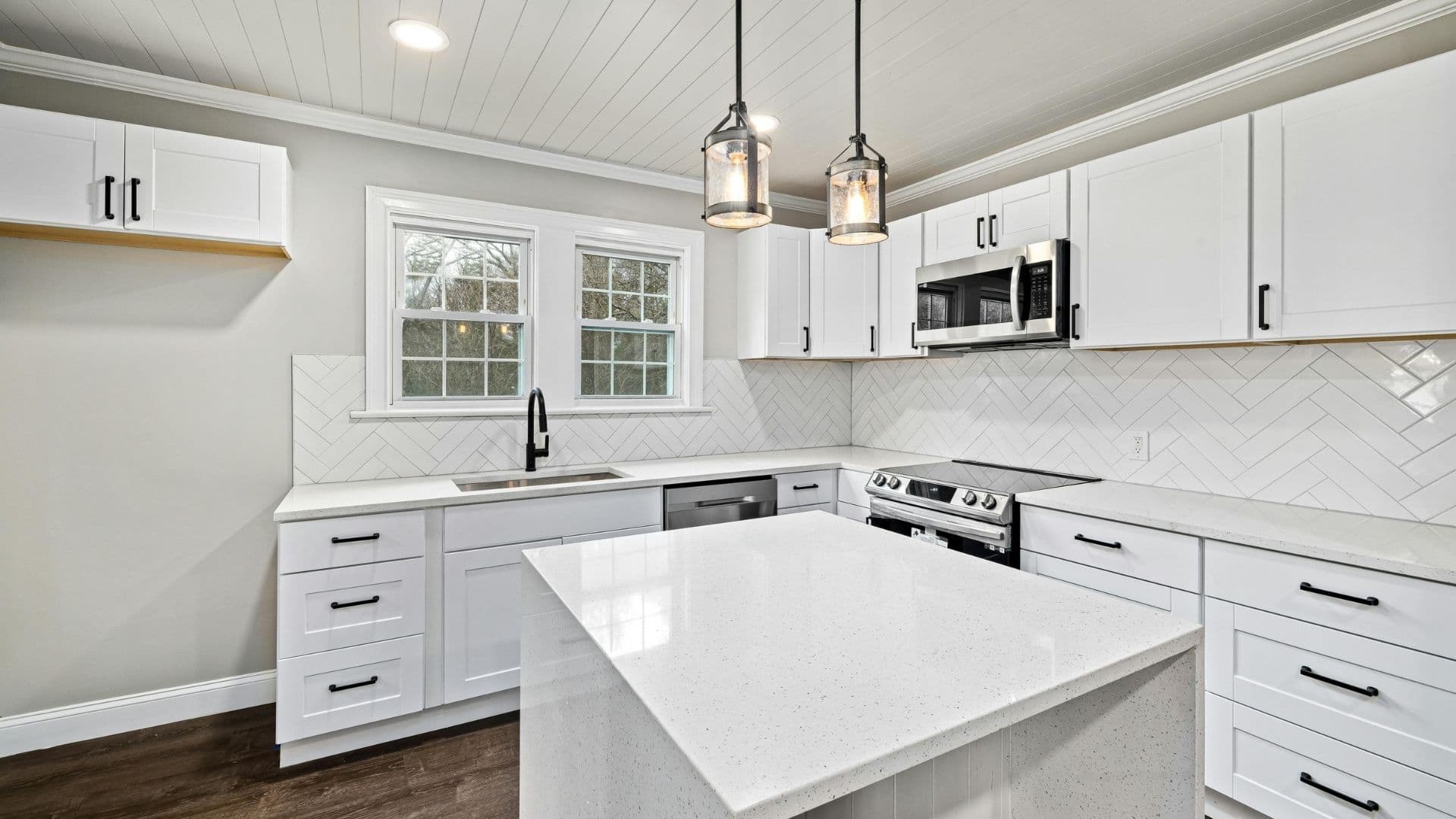
Kitchen remodels lead our Scotia work, and they almost always involve a layout change rather than a simple swap. The original Scotia kitchen was a small, closed-off room at the back of the house, frequently paired with a separate pantry or a rear entry and mudroom, and today's families want it opened up toward the dining room or living space so the kitchen becomes the center of the home. That means taking down a wall, rerouting plumbing and electrical, and rethinking how the back of the house flows. Bathroom remodels are close behind. Most original Scotia baths still run on the home's first-generation plumbing, so a remodel here is usually a full overhaul that replaces failing galvanized supply and cast-iron waste lines while updating fixtures, tile, and ventilation — and tub-to-shower conversions are a steady request in primary baths. Basement finishing is the most home-specific category in the village: Scotia basements range from dry and finishable to stone-foundation spaces that need moisture work first, so every one gets a genuine assessment before we commit to a plan. On top of all that, we see a steady stream of whole-home refreshes where the owner of a tired but structurally solid bungalow or Cape wants kitchen, bath, flooring, trim, and sometimes wiring addressed together as one coordinated project, rather than chipping away at it piecemeal over several years.
Working in Scotia's older homes
Homes built in Scotia in the 1910s through the 1940s carry a predictable set of conditions, and naming them up front is what keeps a project on budget instead of generating mid-job surprises. Knob-and-tube wiring is common in the oldest village homes, and we flag and remediate it wherever we are already opening walls — it is not a reason to walk away from a house, just a known line item we put in the proposal honestly. Plaster-and-lath walls behave very differently than modern drywall during demolition and patching, so we plan for the extra care, the heavier debris, and the dust control they demand rather than treating them like a quick tear-out. Original galvanized supply lines and cast-iron waste stacks are frequently near the end of their service life, and we evaluate them before they are ever disturbed so we are not chasing a leak after the tile is set. Many Scotia homes sit on stone or rubble foundations, especially on the lower streets closer to the Mohawk River, where moisture intrusion and exterior grading need to be assessed before any basement is framed. And the narrow village lots themselves are a real constraint: equipment and material access is genuinely tight, so we plan staging, dumpster placement, and neighbor coordination as part of the scope rather than improvising on day one. None of these are dealbreakers. They are conditions we have seen repeatedly across the village, and we price them honestly into the proposal so there is no surprise change order halfway through the job.
Why HomeNest serves Scotia
Scotia is about 25 minutes from our Albany office at 300 Great Oaks Blvd, and we routinely batch Scotia jobs with nearby Schenectady and Glenville work for tighter scheduling and faster momentum — which matters more here than almost anywhere, because the village's narrow streets mean coordinated crew trips and tight staging keep disruption to neighbors short and the project moving. Our crew is in-house and on payroll, not subs pulled in from out of the area, so the same people who start your Scotia project are the ones who finish it, and every project carries our written 5-Year Workmanship Warranty. We're Fully Insured and Locally Owned and Operated, and we've been doing this work in the Capital Region since 2019. For typical Scotia scope, start with our kitchen remodeling, bathroom remodeling, or home renovation pages, then we'll walk the specifics of your home.
Why Scotia
Why homeowners in Scotia choose HomeNest.
Village-home experience
Older Scotia homes have specific quirks. We've worked on enough village housing to know them.
Combined routing
We group Scotia with Schenectady and Glenville work for efficient scheduling.
Written warranty
5-Year Workmanship Warranty on every Scotia project. Fully Insured.
Careful staging
Scotia village streets are tight. We plan material staging and dumpster coordination carefully.
Common Questions
Remodeling in Scotia: FAQs.
Answers to the questions Scotia homeowners ask most before they call us.
- Typical Scotia kitchen remodels run $32K-$60K for a full remodel. The village's older bungalows and Cape Cods near Mohawk Avenue and Collins Park usually land on the higher end, because opening up the original closed-off kitchen means relocating plumbing and electrical that may also need updating along the way. Renovation scope — refinish or reface existing cabinets, new quartz counters, new backsplash and hardware — runs $12K-$22K and makes a big visual change without a full rebuild.
Nearby Areas
Also serving nearby.
We work across the Capital Region. If a neighbor in your area has already worked with us, ask us for a reference — we're happy to connect you.
Ready to start?
Remodel your Scotia home with HomeNest.
Free in-home consultation. Honest pricing. Our team will reach out within one business day.
Fully Insured · Locally Owned and Operated · Since 2019 · 5-Year Workmanship Warranty