Capital Region of New York · Rotterdam, NY
Rotterdam Home Remodeling & Renovation.
Remodeling for Rotterdam homeowners in Schenectady County. Post-war Cape Cods, ranches, and rural farmsteads we work in regularly — kitchens, baths, and basement finishes.
Services in Rotterdam
Every HomeNest service is available in Rotterdam.
Kitchen, bath, basement, and whole-home work — plus room additions and custom-home building. One team, one warranty, one point of contact.
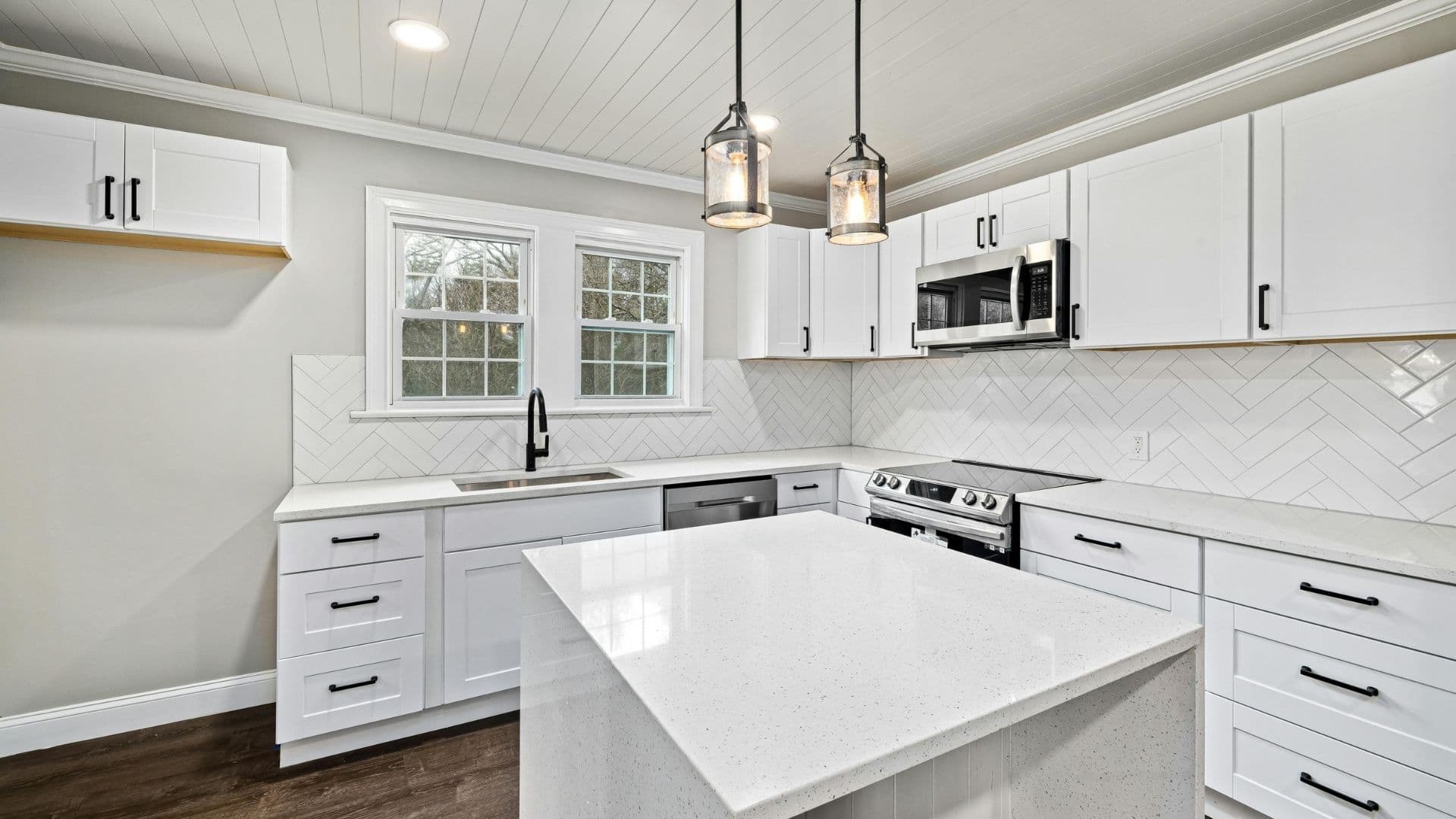
Kitchen Remodeling
Full kitchen rebuilds with custom cabinetry, stone counters, and premium finishes.
Learn more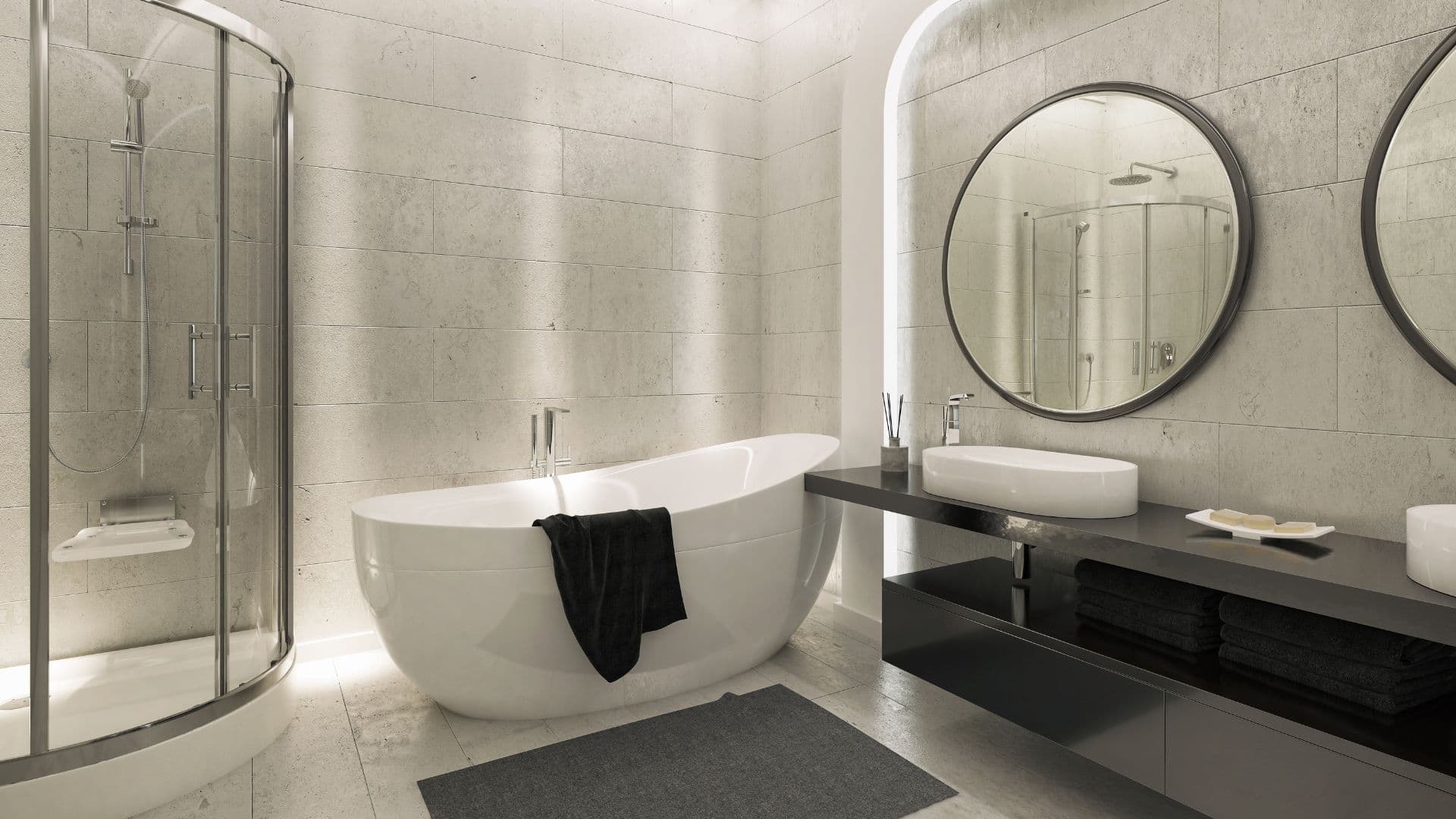
Bathroom Remodeling
Tub-to-shower conversions, double vanities, heated floors, and full tile work.
Learn more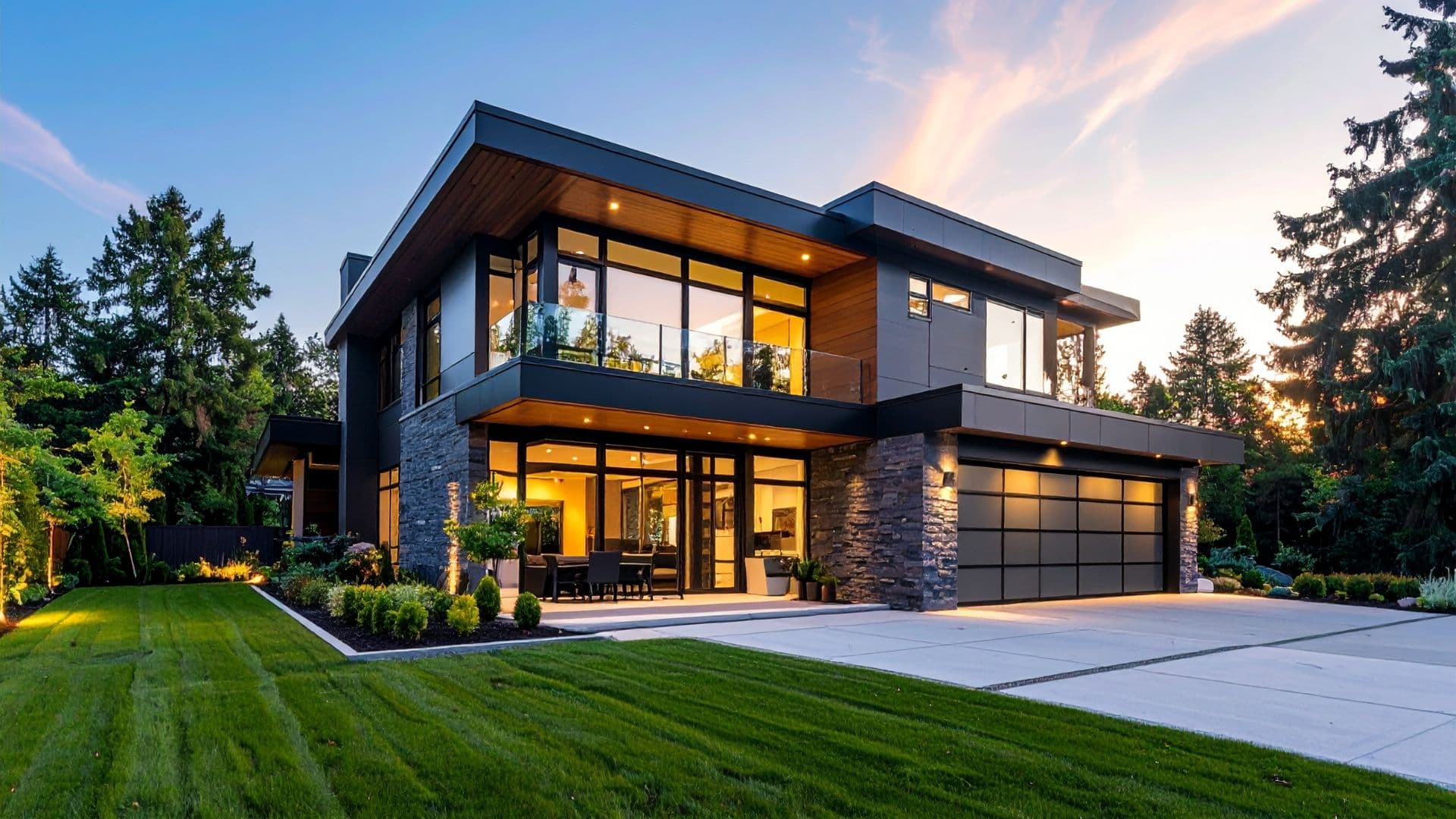
Home Remodeling
Whole-home remodels with open layouts and coordinated design across every room.
Learn more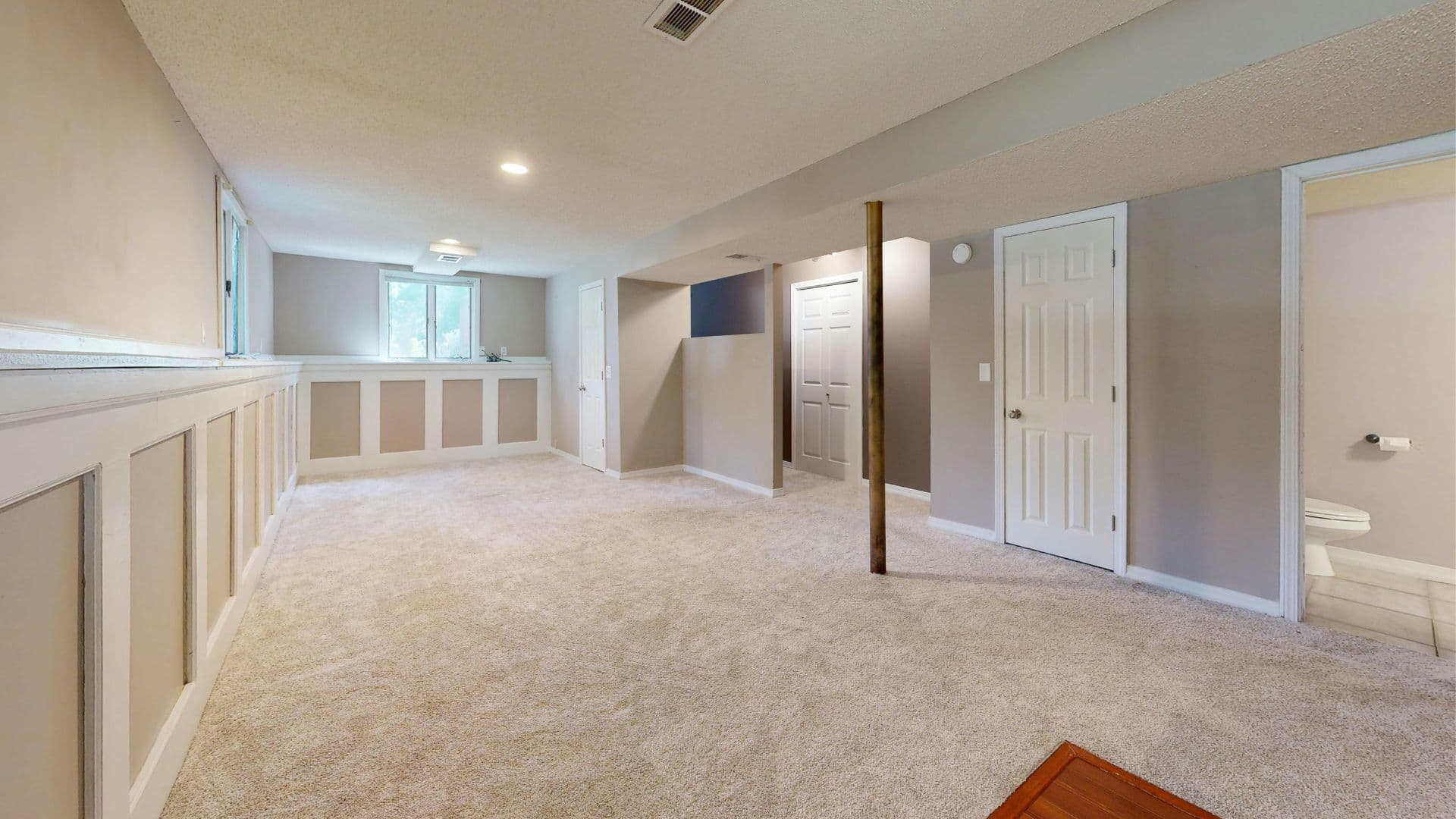
Basement Remodeling
Family rooms, in-law suites, home theaters — with moisture-first process.
Learn more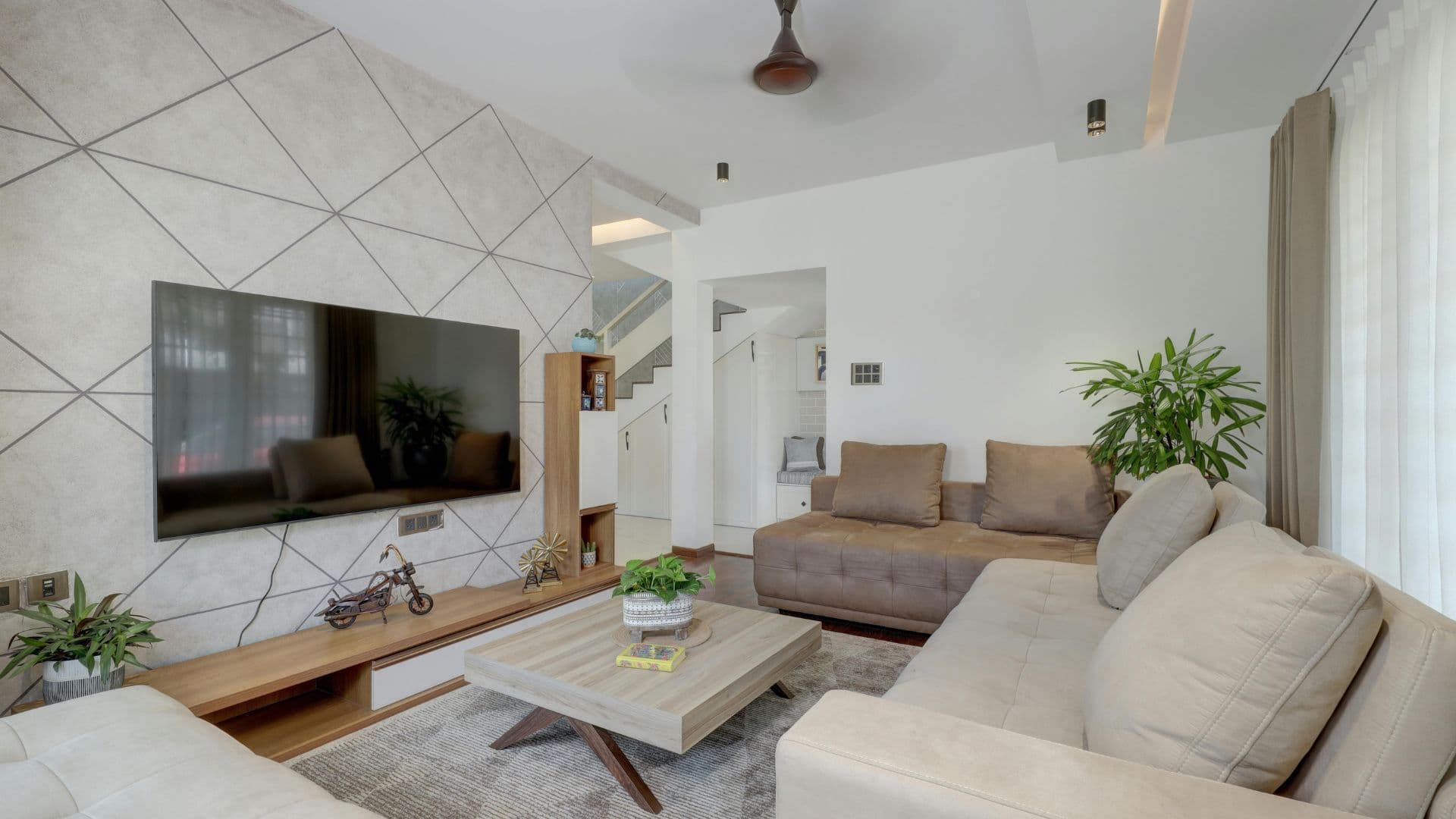
Home Additions
Room additions, second-story builds, and bump-outs matched to the original house.
Learn more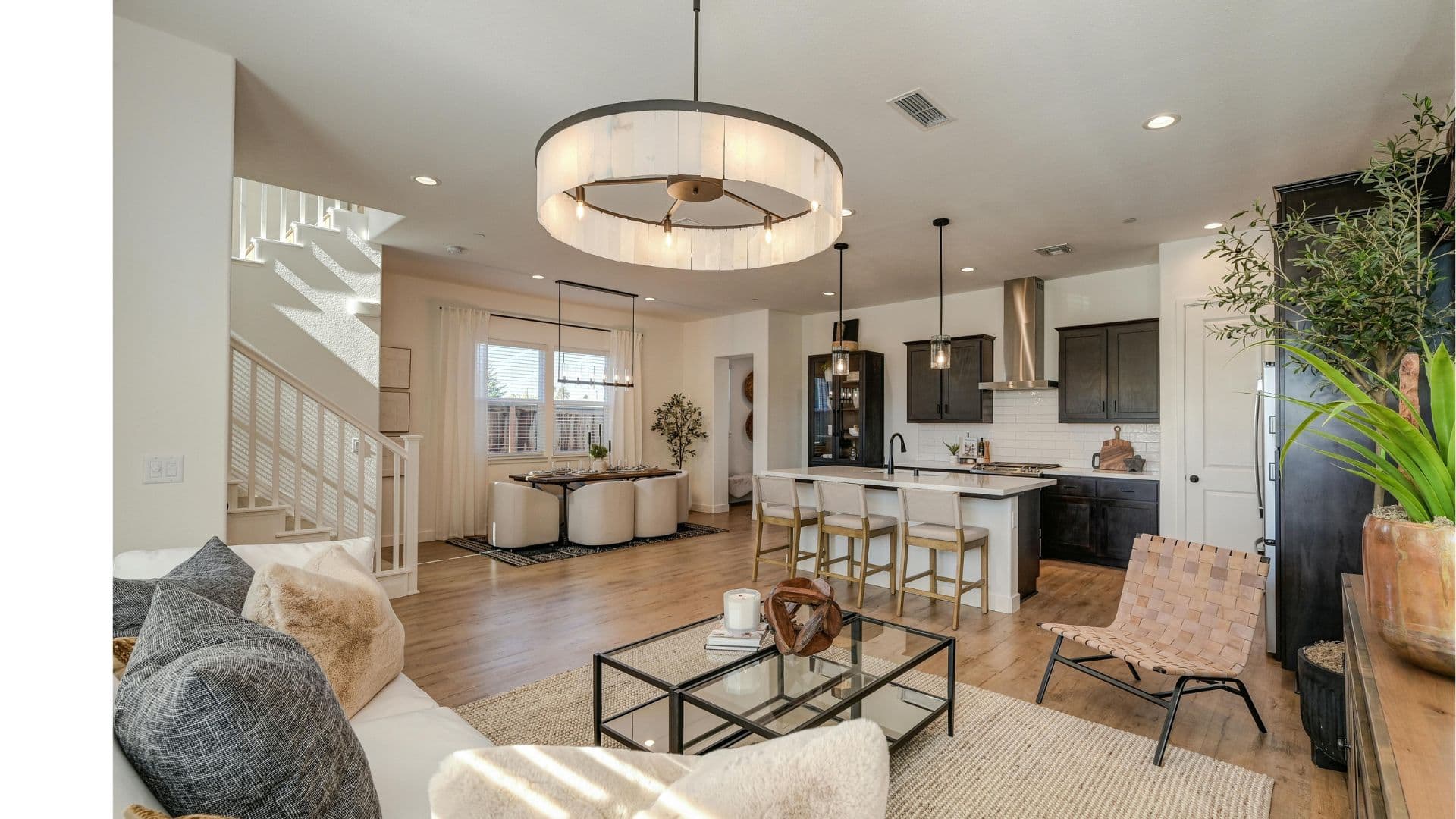
Custom Home Builder
Ground-up custom homes designed and built for your lot and your long-term plans.
Learn more
Neighborhoods We Serve
Working across every part of Rotterdam.
Each Rotterdam neighborhood has its own housing character. We adjust scope and approach for each one.
- Carman
- Rynex Corners
- Schonowee
- Rotterdam Junction
- Mariaville
- Pattersonville
- Curry Road corridor
Remodeling in Rotterdam
Rotterdam is a place we know well.
Rotterdam is a large town in Schenectady County, wrapping around the southwest side of the city of Schenectady and stretching out toward the rural hills above the Mohawk River. Curry Road and Altamont Avenue form the town's commercial spine, Route 7 and Route 159 carry traffic out to the western hamlets, and Rotterdam Square mall has anchored the developed eastern half for decades. For remodeling, the through-line is post-war housing: the dense, tidy neighborhoods east of the mall went up in the 1940s through the 1960s as families followed the General Electric and ALCO jobs in nearby Schenectady, while the western reaches around Mariaville and Pattersonville stay rural, with older farmhouses spread out on acreage. The town's identity has always been working- and middle-class, and that shows up in the housing: practical, well-built homes that were never extravagant but were made to last. Most of those homes have now aged past their original kitchens, bathrooms, and finishes even though the structures themselves remain sound — exactly the kind of stay-and-modernize project our in-house crew is set up to take from the first walkthrough all the way through the written warranty. Because the town spans everything from compact 1950s subdivisions to rural homesteads with their own well and septic, we treat each Rotterdam property on its own terms rather than applying a one-size estimate, and that local familiarity is what lets us price accurately and avoid surprises once the walls come open.
The Rotterdam housing stock
The developed eastern half of Rotterdam is classic post-war suburbia: compact Cape Cods and single-story ranches built from the late 1940s through the 1960s, lined up on tidy lots in the neighborhoods around Curry Road, the Carman area, and the streets feeding off Altamont Avenue. The Cape Cod is the town's signature house — a story-and-a-half box with steep gables and dormers, sold to returning veterans and young GE families who needed an affordable foothold. A great many of those Capes were delivered with an unfinished or only partially finished second story, so a huge share of Rotterdam homes share the same upstairs-expansion story waiting to be told. Mixed in among them are slab and crawlspace ranches, modest split-levels, and the occasional two-story colonial. Schonowee and the older sections nearer the Schenectady city line carry some pre-war housing with plaster walls and older systems, while small subdivisions from the 1970s and 1980s fill in the gaps with slightly larger, better-insulated homes. Head west toward Rynex Corners, Mariaville, Rotterdam Junction, and Pattersonville and the pattern changes entirely: rural homesteads and farmhouses on larger parcels, frequently on their own well and septic, sometimes with outbuildings and additions accumulated over generations. That east-rural divide is the single most important thing to understand before pricing a Rotterdam job, because a tidy Cape off Curry Road and a 19th-century farmhouse out near Mariaville call for completely different scopes — and it's exactly why we walk every property in person before we quote a number.
Common Rotterdam projects
Kitchen remodels lead our Rotterdam work, and the typical job has a distinctly post-war shape: a small, closed-off galley or U-shaped kitchen original to a 1950s Cape, remodeled once in the 1980s, and now ready to be opened up to the dining or living room for the way families actually live today. We rebuild the layout, swap in new cabinets and quartz, and very often pull a wall to connect the kitchen to the rest of the main floor. Bathroom projects run a close second — the original 5-by-7 hall bath in a Rotterdam Cape is almost always undersized, so tub-to-shower conversions, vanity and tile updates, and full reconfigurations that borrow a few inches from an adjoining closet are constant requests. The town's other signature project is the Cape Cod second-story finish: turning that knee-walled, half-finished upstairs into real bedrooms, closets, and a proper full bath, which is one of the most cost-effective ways for a Rotterdam family to gain square footage without building an addition. Basement finishes round things out, since nearly every Rotterdam Cape and ranch sits on a full basement that's begging to become a family room, a home office, or a guest suite. Out in the western hamlets we also take on larger whole-home updates and additions on the bigger rural lots, where there's room to expand a footprint that a tight east-side subdivision parcel simply doesn't allow.
Working in Rotterdam's post-war homes
Homes built in Rotterdam between the 1940s and 1960s carry a predictable set of conditions, and naming them up front is what keeps a project on budget. The little original kitchens were sized for a different era, and the wall we need to remove to open things up is frequently load-bearing — so we scope a properly engineered structural header into the plan rather than discovering it mid-demo. Mid-century branch wiring is common; some Capes and ranches still have undersized panels, the occasional two-prong circuit, or cloth-insulated wiring, all of which we flag and bring up to code wherever we're already inside the walls. Cast-iron waste stacks and galvanized supply lines turn up regularly, and rather than disturb them blindly we evaluate their condition and replace runs that won't make it another decade. The Cape Cod second stories are their own project: that knee-walled upstairs almost always needs new framing details, real insulation in the rafters and kneewalls, and a code-compliant stair and egress window addressed at the same time we finish the space. Original baths sit over old subfloors that have often seen a slow leak, so we plan for the possibility of joist or subfloor repair on tear-out. And out in the western hamlets like Mariaville and Rynex Corners, well-and-septic systems mean any kitchen or bath that adds fixtures gets a capacity check before we commit to the plan. None of these are dealbreakers — they're known conditions we price honestly into the proposal so there's no surprise change order halfway through.
Why HomeNest serves Rotterdam
Rotterdam is about 30 minutes from our Albany office at 300 Great Oaks Blvd, an easy run out the Thruway and across the river, and we routinely batch Rotterdam jobs with nearby Schenectady and Niskayuna work so scheduling stays tight and the same familiar crew keeps your project moving. Because we know the town's post-war Capes, ranches, and the well-and-septic homes out west, our estimates reflect the real conditions behind your walls rather than a best-case guess. Our crew is in-house and on payroll — no subs pulled in from out of the area — and every project carries our written 5-Year Workmanship Warranty. We're Fully Insured and Locally Owned and Operated, and we've been remodeling Capital Region homes since 2019. For typical Rotterdam scope, start with our kitchen remodeling, bathroom remodeling, or basement remodeling pages, then we'll walk the specifics of your home, talk through realistic budget ranges and a timeline, and put a clear, honest proposal in front of you.
Why Rotterdam
Why homeowners in Rotterdam choose HomeNest.
30 minutes from Albany
Combined with Schenectady and Niskayuna work for efficient scheduling.
Post-war Cape specialists
Rotterdam's 40s-60s Capes and ranches — including half-finished second stories — are familiar territory for our crew.
Written warranty
5-Year Workmanship Warranty on every Rotterdam project. Fully Insured.
Reliable schedules
Well-maintained housing stock means Rotterdam projects usually run close to quoted timelines.
Common Questions
Remodeling in Rotterdam: FAQs.
Answers to the questions Rotterdam homeowners ask most before they call us.
- Typical Rotterdam kitchen remodels run $28K-$55K for a full remodel. The small post-war Cape and ranch kitchens off Curry Road and Altamont Avenue usually need an opening-up layout change, which lands them mid-range at $35K-$45K. Renovation scope (refinishing the existing cabinets, new quartz counters, a fresh backsplash and hardware) runs $10K-$20K and transforms the look without a full rebuild.
Nearby Areas
Also serving nearby.
We work across the Capital Region. If a neighbor in your area has already worked with us, ask us for a reference — we're happy to connect you.
Ready to start?
Remodel your Rotterdam home with HomeNest.
Free in-home consultation. Honest pricing. Our team will reach out within one business day.
Fully Insured · Locally Owned and Operated · Since 2019 · 5-Year Workmanship Warranty