
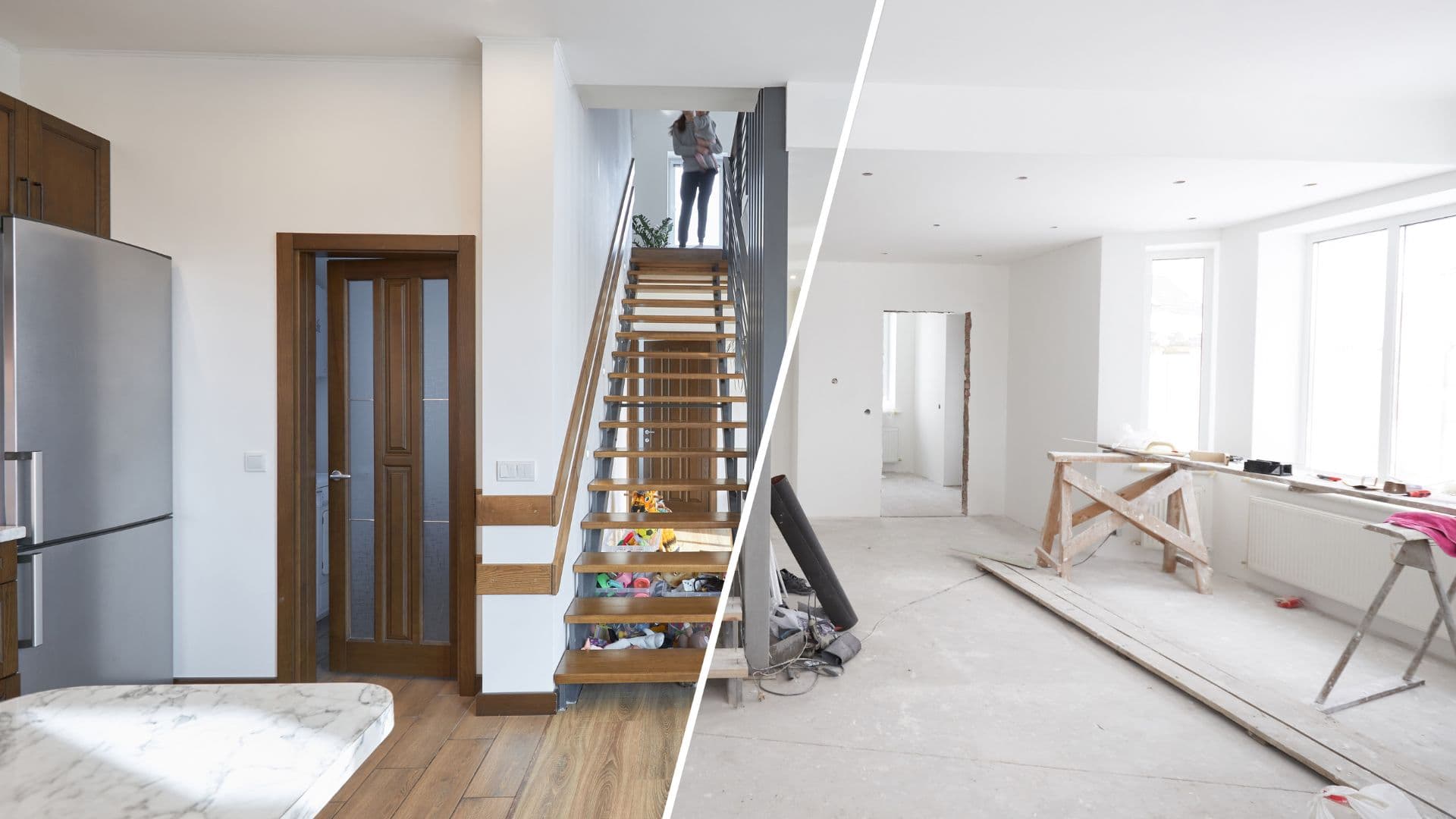
Permits are the part of home remodeling most homeowners least want to think about. They're also the part that most commonly creates problems down the road when skipped or mishandled. This guide covers what remodeling permits are required in Albany and the broader Capital Region, how the process works, what inspections look like, and why skipping permits is one of the most expensive shortcuts you can take.
A well-hired contractor handles all permits for you — you shouldn't need this guide to navigate the building department yourself. But understanding the process helps you spot a contractor who's trying to cut corners.
What home projects require permits
In Albany and most Capital Region municipalities, permits are required for:
- Structural work: Wall removal, beam installation, foundation modifications, major roof work.
- Plumbing changes:Moving fixtures, new water or drain lines, replumbing a bathroom or kitchen. Pure like-for-like fixture swaps (faucet, toilet) usually don't need permits; anything that touches supply or drain lines does.
- Electrical changes:New circuits, panel upgrades, significant rewiring. Replacing an existing outlet or switch doesn't require a permit; adding new circuits does.
- HVAC work: New systems, ductwork, zone additions.
- Building additions: Any footprint extension. See our home additions scope.
- Basement finishing: Converting unfinished to finished living space. Always requires permits. See our basement remodeling page for scope details.
- Window and door replacements that change rough openings.
- Siding and roofing on historic district homes, or when changing profiles.
- Fences over 6 feet, sheds over a certain size (typically 100-200 sq ft depending on municipality).
- Decks. Virtually always require permits.
- Swimming pools. Always require permits plus zoning review.
What doesn't require permits
Generally permit-exempt in Albany and most Capital Region towns:
- Interior painting (including color changes, wallpaper).
- Replacing flooring (same type, same subfloor).
- Cabinet refinishing or refacing.
- Faucet, showerhead, toilet swaps using existing rough-in.
- Replacing light fixtures that use existing wiring.
- Minor drywall repair.
- Exterior painting (non-historic homes).
- Landscaping (unless regrading or retaining walls involved).
When in doubt, ask. Most Capital Region municipalities have clear guidance on their building department websites, and permit office staff are willing to answer questions before you submit.
The permit process: step by step
Step 1: Contractor (or homeowner) prepares application
A complete permit application includes: project description, site plan or architectural drawings, contractor information (license if applicable, insurance certificate), property owner information, scope details for each trade (plumbing, electrical, etc.), and the applicable permit fees.
Step 2: Submit to municipality
Albany, Colonie, Clifton Park, and most Capital Region municipalities accept permit applications online, by mail, or in person. HomeNest prefers in-person submission for larger projects so we can address questions in real-time.
Step 3: Building department review
The reviewer checks the application for completeness, verifies compliance with zoning setbacks and use restrictions, reviews architectural drawings for code compliance, and may request clarifications or revisions.
Typical timeline: 3-4 weeks for standard residential remodels. Larger projects (additions, custom homes) can take 6-10 weeks. Historic district reviews add 4-8 weeks.
Step 4: Permit issued
Once approved, the permit is issued. A physical placard must be displayed on-site during construction. Work can begin.
Step 5: Inspections during construction
Most Capital Region municipalities require inspections at key points:
- Footing/foundation inspection before concrete pour.
- Framing inspection before insulation.
- Plumbing rough-in inspection before drywall covers plumbing.
- Electrical rough-in inspection before drywall covers wiring.
- Insulation inspection before drywall.
- Final inspection for Certificate of Occupancy.
HomeNest coordinates all inspections with the municipality. Inspectors show up on scheduled days, inspect specific trade work, and sign off or flag issues for correction before proceeding.
Step 6: Final inspection and Certificate of Occupancy
When all work passes inspection, the building department issues a Certificate of Occupancy (for additions and new construction) or signs off the permit for remodels. This documentation stays on file with the municipality and shows up in future property records — buyers check these.
Albany-specific rules
Albany has some specific requirements beyond Capital Region norms:
- Center Square Historic District:Exterior changes require Albany Historic Resources Commission review. Interior work typically doesn't. Review schedule runs monthly; plan accordingly.
- Rental property registration: If the property is a rental, there are registration and code compliance requirements above owner-occupied.
- Lead paint disclosure: For pre-1978 properties (most of the city), contractors must follow EPA RRP rules for renovation work that disturbs painted surfaces.
- Asbestos: Older properties may contain asbestos in pipe insulation, floor tile, or other materials. Disturbing asbestos requires certified abatement.
Other Capital Region municipalities
Permit processes vary by town. Quick summary of other primary Capital Region cities:
- Colonie: Generally fast and responsive permit office. Residential permits typically issued in 2-3 weeks.
- Clifton Park: Fast permits, clear online application system. Most residential work in 2-3 weeks.
- Bethlehem: Moderate review speed, reliable. 3-4 weeks standard.
- Troy and Schenectady: Older cities with historic districts (Stockade in Schenectady). Historic review adds time for exterior work.
- Saratoga Springs: Busy during peak season. Plan 4-5 weeks for standard residential permits during spring/summer.
- Guilderland, Halfmoon, Niskayuna: Generally responsive.
Why you should never skip permits
The case for permits isn't abstract — it's practical.
- Inspections catch problems.A plumbing inspection finds the missed glue joint before it leaks behind a finished wall. A framing inspection catches the undersized beam before it sags. Inspectors catch problems the contractor's crew might have missed.
- Resale inspections find unpermitted work.Home inspectors routinely ask municipalities for permit history and flag remodels that don't match records. Unpermitted work shows up in inspection reports and scares buyers.
- Insurance claims hinge on code compliance. A fire caused by unpermitted electrical work may not be covered. A water damage claim near unpermitted plumbing work may be denied.
- Retroactive permits are expensive. If code enforcement catches unpermitted work, they typically require opening finished walls for inspection, plus the original permit fee, plus fines. What you saved by skipping permits is lost many times over.
- Documentation for resale. Certificates of Occupancy and signed- off permit records are transferred with the property. They prove that work was done to code. Buyers pay a premium for documented work over undocumented.
How HomeNest handles permits
Every HomeNest project in Albany and the broader Capital Region includes:
- Permit submission and management as part of the project scope. Permit fees are itemized in our quote.
- Coordination with municipal building departments including historic review where applicable.
- All required inspections scheduled and attended. We don't ask you to be home for inspections.
- Final inspection documentation provided to you for your records.
- Compliance with all applicable NYS code including energy code, fire code, and accessibility requirements.
What you need to know as a homeowner
Before hiring a contractor:
- Ask whether they handle permits. The answer should be yes.
- Ask whether permit fees are itemized in the quote. They should be.
- Ask whether the contractor is registered with your municipality (if applicable).
- Verify the contractor's insurance (required for permit pulls in most Capital Region towns).
- Understand that a contractor who suggests skipping permits is a contractor who either doesn't know the rules or doesn't care about them.
See our contractor selection guide for the full hiring checklist. For Albany-specific context, our Albany page covers local projects and neighborhoods. For broader remodeling FAQ, see our FAQ hub.
Start your project right
A permitted remodel is a remodel that will hold up under inspection, insurance, and resale scrutiny. A free in-home consultation with HomeNest includes a scope assessment and a clear accounting of which permits your project will need.
Serving Albany and the broader Capital Region — Fully Insured, Locally Owned and Operated, Since 2019. See our home remodeling services for full scope details.